

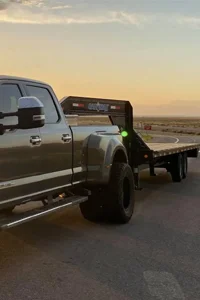
Introduction
Transporting woodworking machinery can be a challenging task due to the size, weight, and delicate nature of the equipment. Whether you are moving machinery to a new workshop, delivering to a customer, or shipping for repairs, it is crucial to ensure the machinery is transported safely and efficiently. This article provides essential tips and best practices for woodworking machinery trucking.
Preparation for Transport
Proper preparation is key to safe and efficient transport of woodworking machinery. Here are the steps to follow:
1. Clean and Inspect the Machinery
Before transportation, thoroughly clean the machinery to remove any dust, debris, and residues. Inspect for any existing damage or loose parts that need to be secured.
2. Disassemble if Necessary
Disassemble large or heavy machinery into manageable parts to make transportation easier. Label each part and take photos if needed to aid in reassembly.
3. Secure Moving Parts
Secure any moving parts with tape, straps, or locking mechanisms to prevent movement during transit.
Packing the Machinery
Proper packing is essential to protect woodworking machinery from damage during transport.
1. Use Protective Materials
Use bubble wrap, foam padding, and blankets to protect the machinery. Ensure all parts are well-cushioned to absorb shocks and vibrations.
2. Choose the Right Crate or Pallet
Select a sturdy crate or pallet that can support the weight of the machinery. Secure the machinery to the crate or pallet using straps or shrink wrap.
3. Label the Packages
Clearly label each package with handling instructions, such as "Fragile," "This Side Up," and "Handle with Care," to inform the transport personnel.
Transportation Best Practices
Follow these best practices to ensure safe and efficient transport of woodworking machinery.
1. Choose a Reliable Trucking Company
Select a reputable trucking company with experience in transporting heavy machinery. Ensure they have the necessary equipment and expertise to handle the shipment.
2. Use Appropriate Vehicles
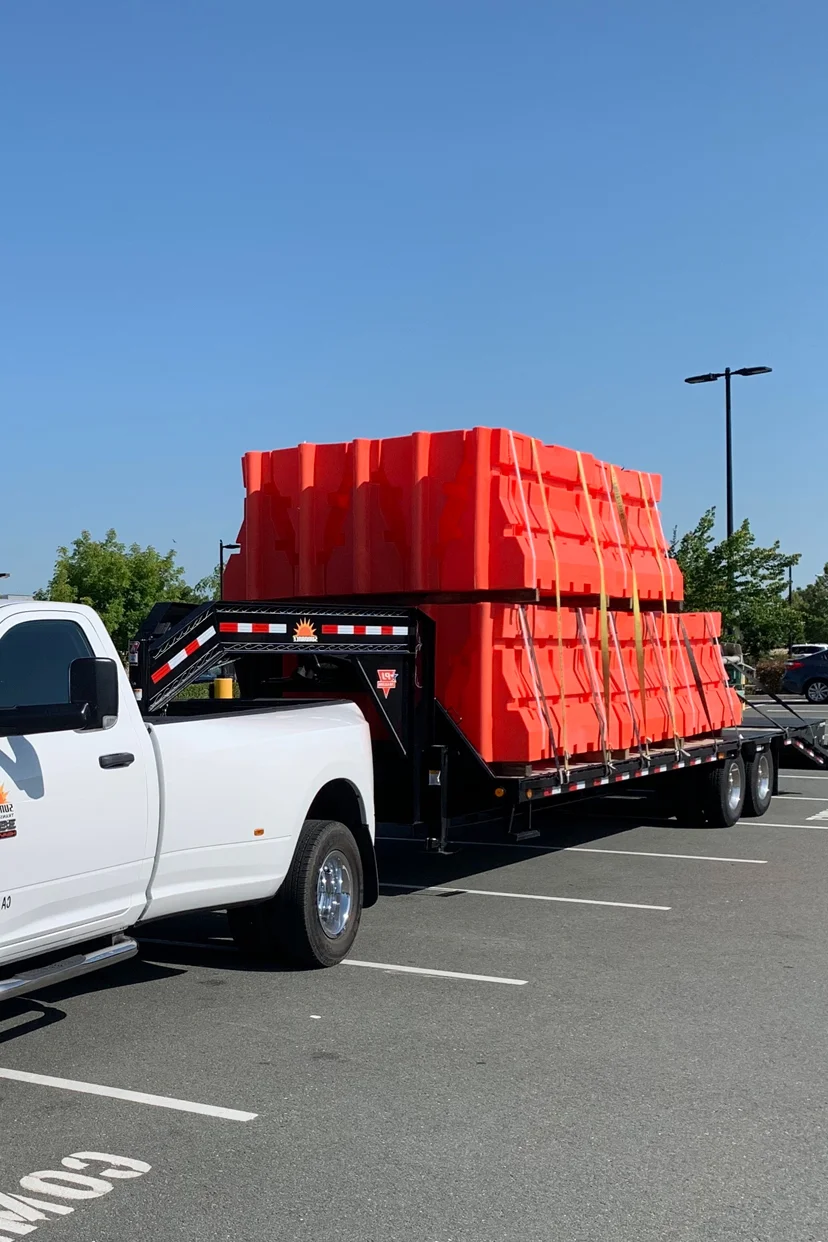
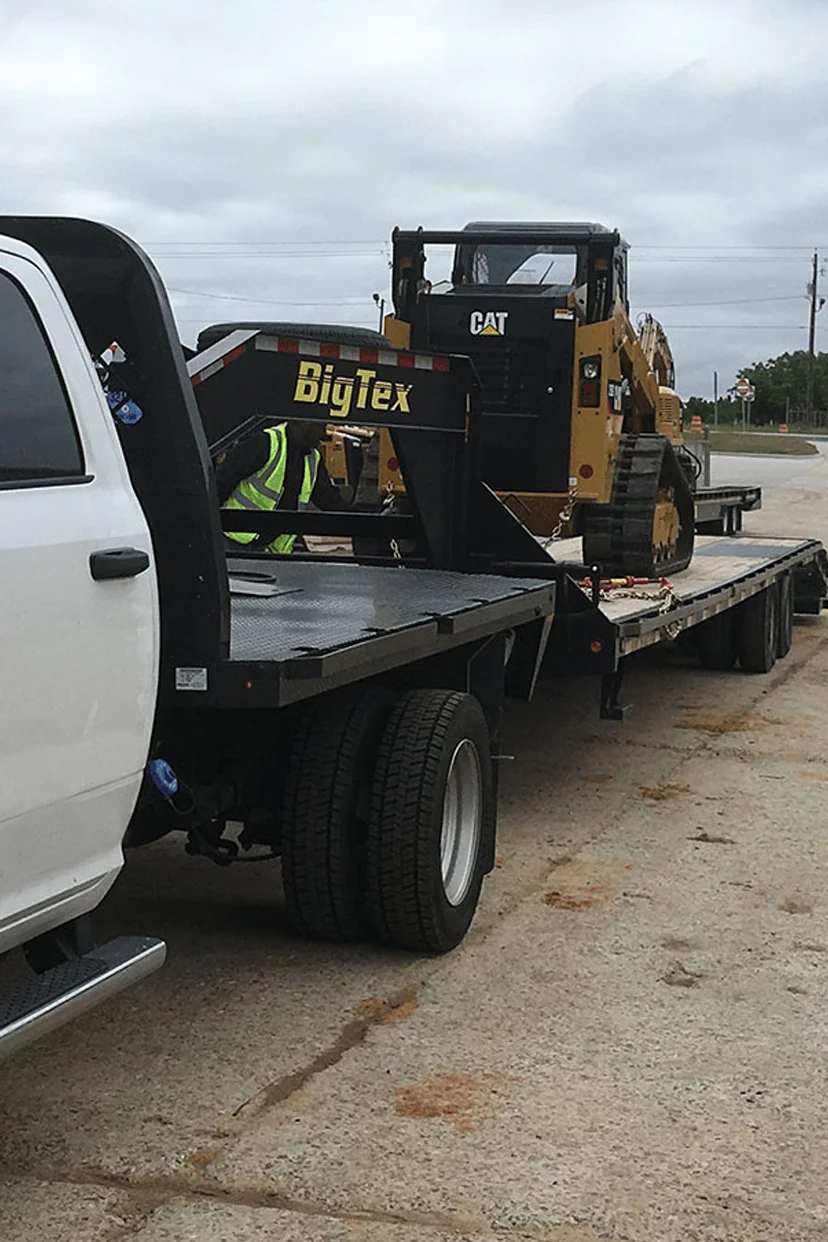
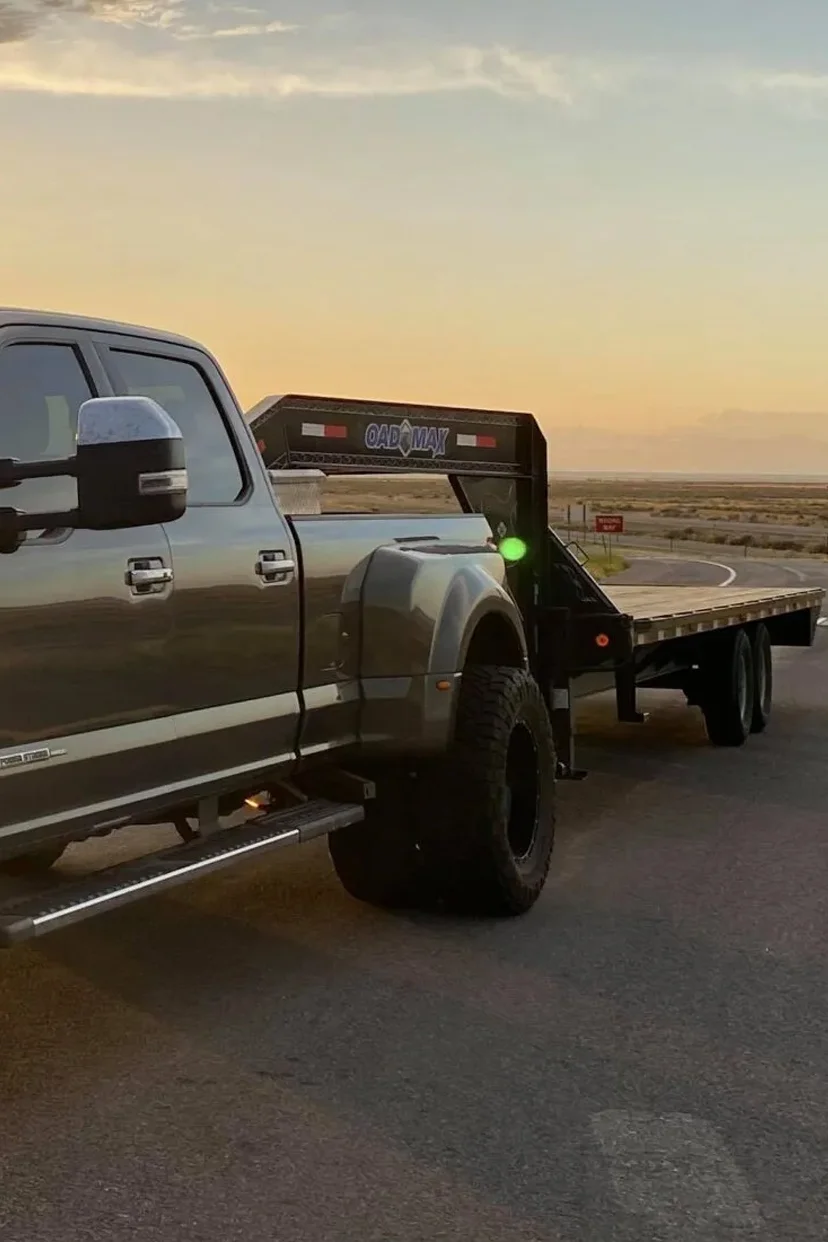
Use trucks with hydraulic lifts, flatbeds, or trailers designed for heavy loads. Ensure the vehicle can accommodate the size and weight of the machinery.
3. Secure the Load
Properly secure the machinery to the vehicle using heavy-duty straps, chains, or tie-downs. Double-check the security of the load before departure.
4. Plan the Route
Plan the transportation route in advance, considering road conditions, height restrictions, and any potential obstacles. Avoid rough or uneven roads to minimize vibrations and shocks.
Unloading and Reassembly
Careful unloading and reassembly are crucial to ensure the machinery is ready for use upon arrival.
1. Use Proper Equipment
Use forklifts, cranes, or pallet jacks to unload the machinery safely. Ensure the unloading area is clear and accessible.
2. Inspect for Damage
Inspect the machinery for any damage that may have occurred during transport. Report any issues to the trucking company and document with photos.
3. Reassemble and Test
Reassemble the machinery according to the instructions and photos taken during disassembly. Test the machinery to ensure it is functioning correctly before use.
Conclusion
Transporting woodworking machinery requires careful planning, preparation, and execution to ensure safe and efficient delivery. By following these tips and best practices, you can minimize the risk of damage and ensure your machinery arrives intact and ready for use. Choose a reliable trucking company, use appropriate packing materials, and take the necessary precautions to protect your valuable equipment during transit.
FAQs
1. How do I choose a reliable trucking company for transporting woodworking machinery?
Look for a trucking company with experience in transporting heavy machinery, good customer reviews, and appropriate equipment for handling large loads.
2. What should I do if my woodworking machinery gets damaged during transport?
Document the damage with photos, report it to the trucking company, and file a claim for compensation if applicable.
3. Can I transport woodworking machinery myself?
If you have the necessary equipment and experience, you can transport machinery yourself. However, hiring a professional trucking company is recommended for large or complex shipments.
4. How can I protect my machinery from vibrations during transport?
Use ample cushioning materials like foam padding and bubble wrap, and secure the machinery firmly to the vehicle to minimize movement and vibrations.
5. What is the best way to secure woodworking machinery to a truck?
Use heavy-duty straps, chains, or tie-downs to secure the machinery to the truck. Double-check the security before starting the journey.